


June 4-14 | Charleston, SC

About
Happyland is a new site-specific musical set in pre–Civil War Charleston, inspired by the true story of one of the first Reform Jewish congregations in America.
Brought to life by a New York–based creative team and professional performers, the piece blends intimate storytelling, rich vocal music, and moments of warmth and humor within an immersive, place-driven experience.
When a young immigrant rabbi finds unprecedented safety, love, and belonging in the South, he is drawn into a community struggling to define what progress means in a place built on profound moral contradiction. As religious innovation collides with the realities of Charleston life, Happyland asks how much of ourselves we’re willing to compromise to belong—and what happens when history demands more courage than comfort.
Happyland explores how communities grow, how identities take shape, and how the choices we make, even with the best intentions, can echo far beyond us.
Tickets
Dates
Thursday, June 4 and 11, 7:30pm
Saturday, June 6 and 13, 7:30pm
Sunday, June 7* and 14, 3:00pm
*Talkback immediately after performance.
Location
Kahal Kadosh Beth Elohim
90 Hasell St, Charleston, SC 29401
Buy Tickets
Use the form below to purchase tickets. To inquire about group sales, please email us at happylandchs@gmail.com
Food/Drink Discounts
NOTE: All ticketholders are entitled to:
Hyman’s Seafood: 1 free appetizer and 1 free dessert
Beautiful South: 15% discount on food & beverage, Thursdays and Saturdays 5:00 PM to 5:30 PM, and Sundays 11:00 AM to 1:00 PM before the shows.
Learn
Learn more about some of the fascinating real-life events and characters that Happyland dramatizes in the play by following the link below:
Learn more about the origin of the development of Happyland and why it’s important to tell this story by expanding the below:
-
Charleston lawyer, Rob Turkewitz and College of Charleston religious studies professor, Dr. Elijah Siegler researched the story of Rabbi Gustavus Poznanski and how the installation of the organ at Kahal Kadosh Beth Elohim (KKBE) led to one of the first appellate decisions on the separation of church and state and the birth of the Jewish reform movement, and realized it was a story that needed to be told, especially in our current climate.
In early 2024, wanting to make the show a reality, Rob and Elijah reached out to friend, artist, and fellow Charleston resident Robin Shuler, who recommended they engage Brooklyn composer and playwright Toby Singer to create the piece.
Toby, who had spent two formative early-career years as the music director of KKBE, couldn’t resist the opportunity to tackle such a rich and complex story in a place that he still felt a strong draw towards.
Happyland had a Zoom reading in early 2025, and then was workshopped in May 2025 at the legendary Porgy house on Folly Beach where the Gershwins wrote Porgy & Bess. Happyland had a second reading in Brooklyn that fall. Now, this homegrown Charleston story will be first witnessed by audiences in the very location that it all takes place: the sanctuary of Kahal Kadosh Beth Elohim.
-
Happyland is a sweeping new musical set in Charleston, South Carolina, in the decades leading up to the Civil War, inspired by true events surrounding Kahal Kadosh Beth Elohim, the birthplace of Reform Judaism in America.
At its center is Rabbi Gustavus Poznanski, a young Polish immigrant rabbi who arrives in Charleston seeking stability, belonging, and a permanent home. Charismatic and idealistic, Poznanski quickly becomes beloved by his congregation—and marries into one of Charleston’s oldest Jewish families.
But Charleston in the 1830s and 1840s is a paradox: a city of refinement, tolerance, and opportunity for Jews, built atop the brutal machinery of American slavery.
As Poznanski settles into family life and secures a lifetime contract, the synagogue becomes divided over whether to modernize its religious practices—specifically, whether to install a pipe organ, a radical act that would signal a distinctly American Judaism.
What begins as a theological debate becomes something much larger: a test of how far a community is willing to evolve, and how much moral compromise it is willing to tolerate in order to belong.
-
Happyland speaks directly to our current moment of moral reckoning. Across religious, cultural, and civic institutions today, we are confronting urgent questions:
What does progress actually mean?
When does assimilation become complicity?
What do we owe to justice when our safety, status, or belonging is at stake?
At a time when democratic norms are under strain, historical truths are contested, and communities are being asked to choose sides, Happyland insists on complexity rather than certainty. It refuses easy heroes and instead examines how oppression is often sustained not by hatred—but by fear, comfort, and incremental compromise.
By looking backward with precision and empathy, Happyland offers a mirror to audiences, asking not “What would I have done then?” but “What am I doing now?”
-
Charleston is not just the setting of Happyland—it is the subject.
Happyland tells a Charleston story that has never really been told onstage before. It’s about one of the city’s earliest Jewish communities—people who helped build Charleston culturally and economically—at a moment when the city was defining who it wanted to be.
Charleston was one of the most religiously tolerant cities in early America, home to the largest Jewish community in the country from the 1700s to the early 1800s, and simultaneously one of the wealthiest slave ports in the nation. This contradiction is not incidental; it is the heart of the story.
By rooting Happyland in Charleston, the project honors the city’s complexity while asking us to reckon honestly with what it means to call a place “home.”
Media
Creative
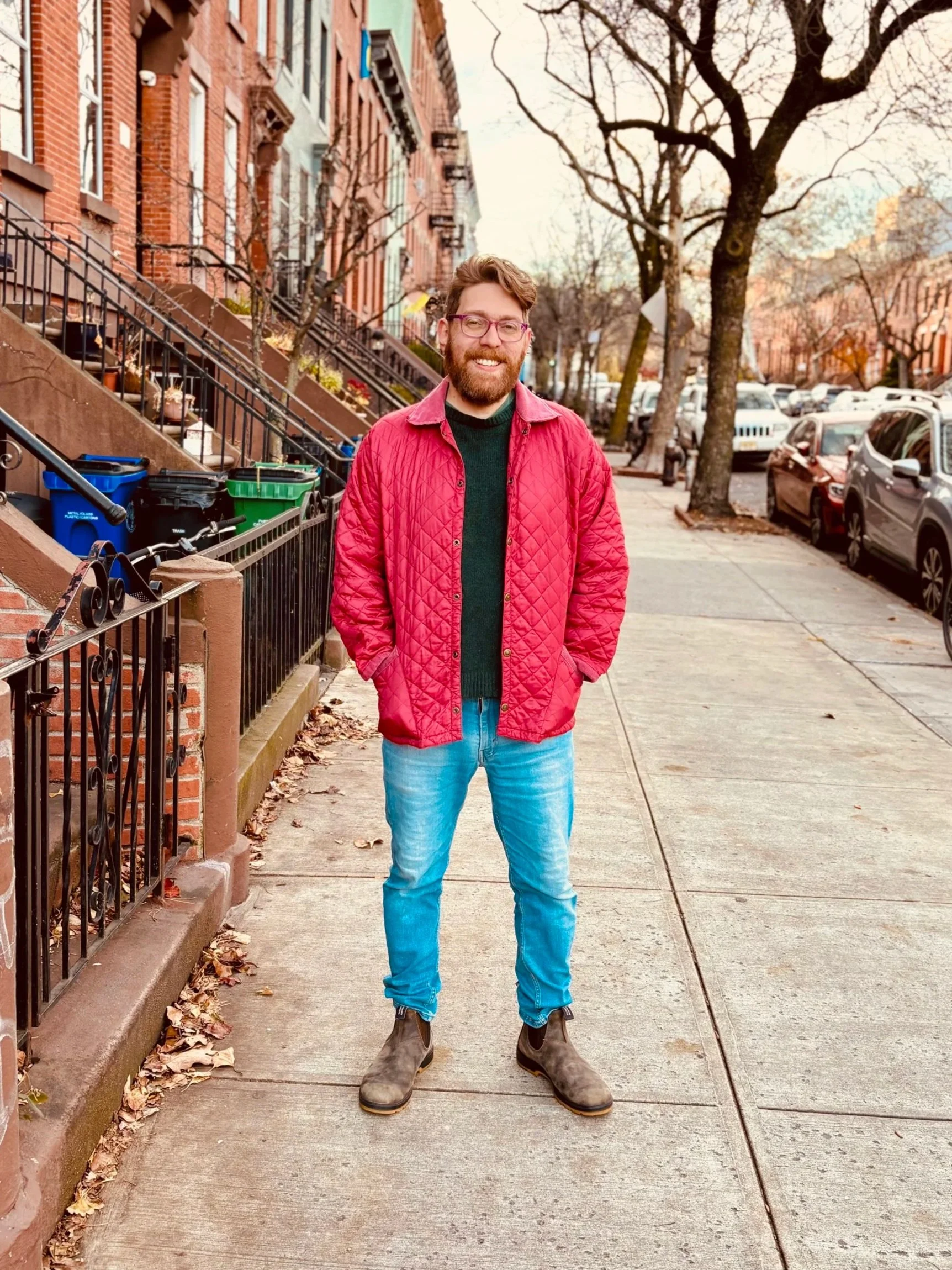
Toby Singer | Book, Music, & Lyrics
Toby Singer is a Brooklyn-based composer and musician working at the juncture of music and theater.
Born in Michigan, Toby’s award-winning theatrical work has been produced off-Broadway and regionally, and has been featured in the New York Times and New York Magazine. Toby is in demand as a record producer for eclectic indie artists, while his arrangements and original compositions are in frequent use across the country.
Toby received his MSW from New York University - Silver School of Social Work, his MFA in Performing Arts Management from Brooklyn College, and his BA from the University of Michigan School of Music. Toby lives in Carroll Gardens with his wife, son, and dog.
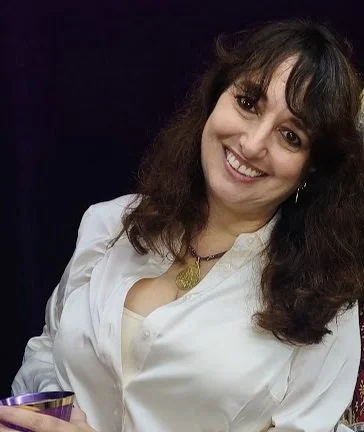
Linda Eisen | Director
Linda Eisen received a BFA in Theatre from NYU’s Tisch School of the Arts where she trained at the Lee Strasberg Theatre Institute.
She studied in Brazil with director Augusto Boal and redesigned and directed the Town Crier Summer Theatre of Historic Philadelphia, Inc. She was a co-artistic director of the PA Repertory Theatre, a PA Council on the Arts Roster Artist, the director of the Theatre Program at the Red Rock Job Corps Center, and director of the touring Holocaust Education play Dear Esther. Recent SC directing credits include A Funny Thing Happened On the Way to the Forum (Queen Street Playhouse) and The Purest Form of Hope (Centerstage.)
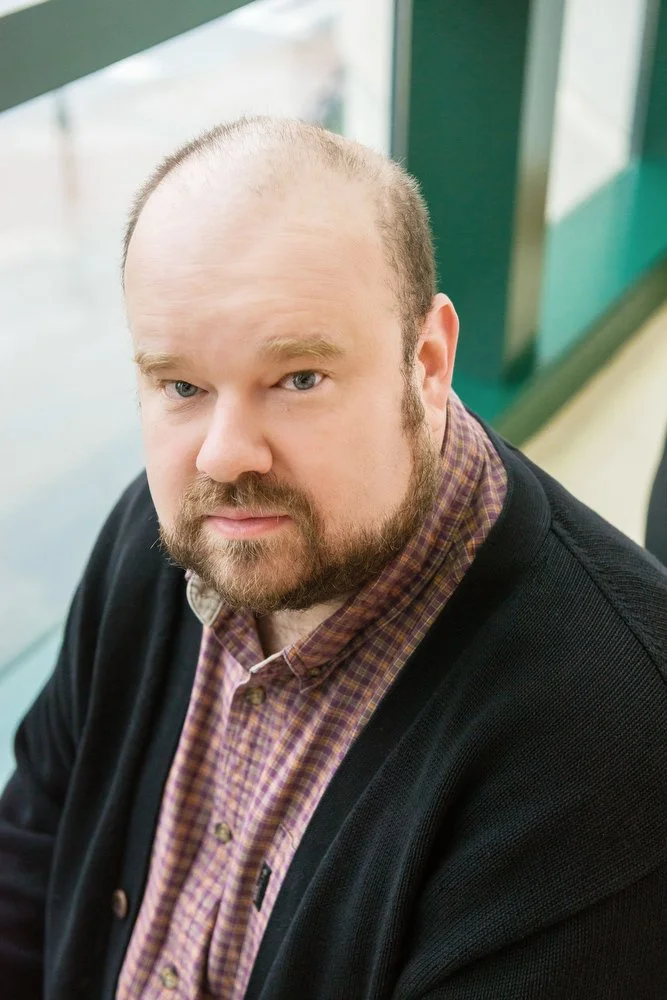
Elijah Siegler | Co-Producer & Creator
Elijah Siegler is a professor and former chair in the department of religious studies at College of Charleston. He has a BA from Harvard University, and an MA and PhD from the University of California Santa Barbara, all in religious studies.
He has been researching, writing, and teaching in the fields of religion and spirituality in America, and religion and popular culture, for more than 30 years.
Having been deeply involved in the theater and improv scenes as an undergraduate at Harvard, he is thrilled to be playing a part in bringing this new production to life.
Elijah and his wife have lived West of the Ashley since 2004 and raised two children there, one of whom now attends university in Toronto (Elijah’s hometown) and the other works as a graphic designer in London.
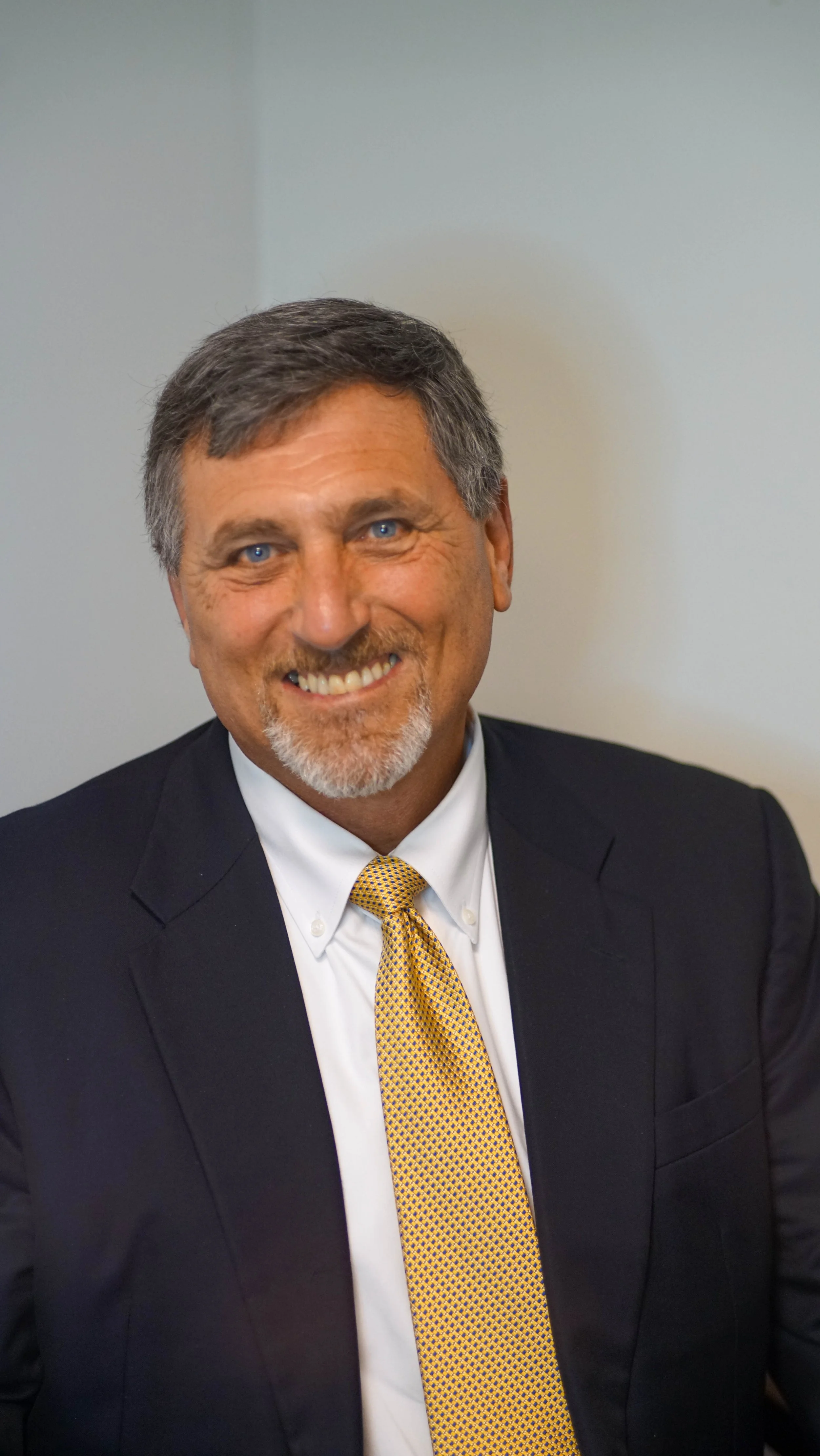
Rob Turkewitz | Co-Producer & Creator
Rob Turkewitz is a trial lawyer specializing in complex civil litigation. He came to Charleston in 1985 as a Navy lawyer and, after four years, entered private practice. Active in the community, he served as President of Kahal Kadosh Beth Elohim, where he discovered the Organ Controversy and the resulting litigation. Inspired by Rabbi Poznanski's celebrated words at the dedication of the new sanctuary, he and Elijah Siegler developed the story as a musical. Rob and his wife, Deborah, live on James Island and have three children. In his spare time, he enjoys writing, sailing, and inventing.
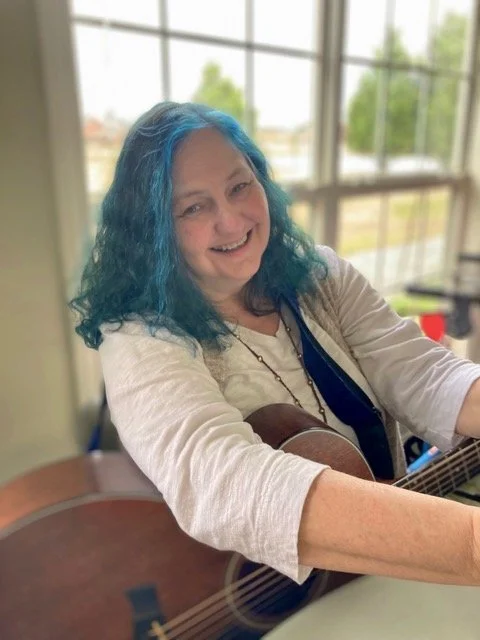
Robin Shuler | Dramaturg
Robin Shuler has been a storyteller for as long as she can remember. A graduate of the College of Charleston, she spent a decade with Chopstick Theater writing, directing, touring, and performing.
Her creative journey continued at Kahal Kadosh Beth Elohim, where she served as a Songleader before taking on roles as Youth Group Advisor and eventually Music Director. Now retired, Robin still finds joy in bringing stories to life through writing and performance whenever she can.
Press
The Forward: ”An organ divided a synagogue. The fallout helped create Reform Judaism.”
The Post & Courier (Charleston): “New musical explores history of Charleston's Jewish community, staged at historic synagogue”
Charleston City Paper: “New musical shares story of historic court case”
ABC 4 (WCIV): “New 18th century-set musical 'Happyland' to debut inside historic KKBE synagogue”
Curiosity On The Move [PODCAST]: “Happyland: A New Musical Takes Root in Charleston History”
Support
Happyland is a labor of love. To make a tax-deductible donation to support this production, please click below.
Join our mailing list to receive updates about the show.
Happyland Supporters
Charitable donations are an important part of helping us reach our budget. We gratefully acknowledge the following sponsors for their generous donations:
Presenting Sponsors ($3,000 - $10,000)
Hyman and Marietta Bielsky
Cathy Meyerson Kleiman
Jan and Larry Lipov (in kind)
Susan Pearlstine (sponsoring students of KKBE Religious School to attend)
Sam and Karen Sadove (in kind)
Leigh Sherman
Gil Shuler (in kind)
Dr. Elijah Siegler
Norma and Ernie Siegler Family Foundation
Robert and Deborah Turkewitz
Organ Donors ($1,000 to $2,999)
Anonymous
Ava and Bruce Kleinman
George McCall
Owen Meislin
Robert and Teri New
Robert and Susan Rosen
Ma Wei Siegler
Steve and Kat Turkewitz
A Seat at the Table ($500 to $999)
Sandra Brett and Richard J. Friedman Charitable Trust
Sandy and Stephen DeAntonio
Andrew and Ruth Drucker
Aaron and Rebecca Engel Family Fund
Dora and Ronnie Frank
Myles Glick (in kind)
Teri and Ira Lash
Ted and Rose Levin
J. Henry Stuhr, Inc.
Mark Tanenbaum and Barbara Baker
Nadine and Doug Vogel
Friends of Happyland ($100-$499)
Ellen Brenner
Kim Browdy
Chunhe Chen
Shirley F. Christoff
Barbara Fox
Belinda and Richard Gergel
Julie and Scott Glass
Harlan Green
Sharon Hox
Amy and Andrew Lamparello
Kenneth L. Levy
Spencer Lynch
Rabbi Joseph Rosen
Mickey and Jeffrey Rosenblum
Marilyn Rosenthal
Colin Morgan and Barbara Rudner
Neil Sigler
Karl and Joyce Wichmann
Marty and Shelly Yonas
Stanley Ziobro
These donations are accurate as of June 6, 2026. If your name has been left off inadvertently, please contact happylandchs@gmail.com
FAQ
-
Yes. Get in touch to inquire about specific requests.
-
The venue will open 30 min before curtain.
-
Yes, late-comers will be seated at an appropriate moment after the beginning of the show.
-
Happyland is appropriate for children 8 and older that can sit quietly through a full length performance.
-
Happyland is about 2 hours, plus a 15 minute intermission.