
Educational Resources
Timeline
Click below to learn more about the historical events leading up to the events dramatized in Happyland.
The Real Life Characters of Happyland
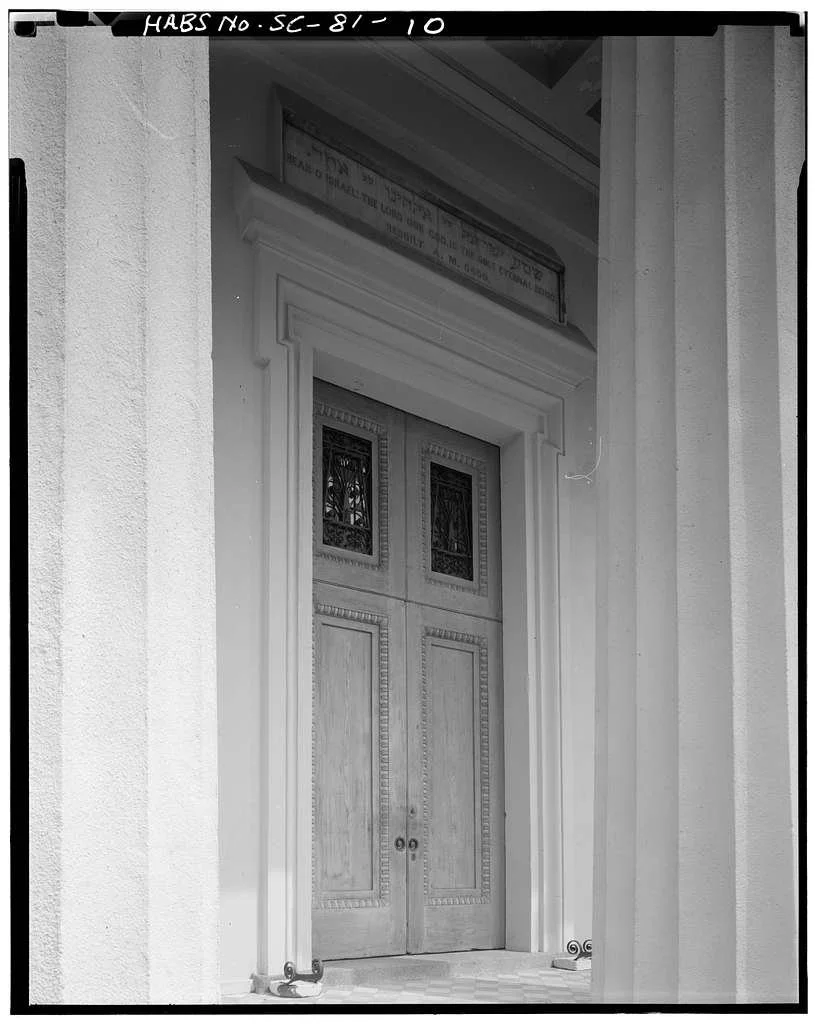
Rabbi Gustavus Poznanski (1804-1879) was a Prussian-born Jewish religious leader who served as minister and hazan of Kahal Kadosh Beth Elohim from 1837 to 1850. Raised in an Orthodox Jewish family, Poznanski trained as both a hazan (one who leads the liturgical part of the service) and a shochet (ritual slaughterer). Although the exact date of his arrival in the United States is unknown, by 1832, he was serving as hazan at Congregation Shearith Israel in New York City before relocating to Charleston several years later. In 1838, he married Esther Barrett (1820-1870). When Poznanski arrived at Beth Elohim, the congregation was deeply divided over religious reform, particularly the controversial introduction of an organ into synagogue services. Poznanski supported the change and became one of the leading voices for reform within the congregation. During his tenure, Poznanski became known for his charisma and powerful leadership. Supporters admired his willingness to introduce new practices associated with Reform Judaism, while critics worried that these changes moved too far from traditional observance. Even so, Poznanski appears to have focused primarily on shaping his own congregation rather than creating a broader national Reform movement. Poznanski resigned from Beth Elohim twice, first in 1843 and again in 1847, but the congregation refused to accept his resignation. He remained connected to Charleston until the Civil War. Like many members of Charleston’s antebellum elite, Poznanski participated in and benefited from the system of slavery. During the war years, he and his family moved back to New York. Poznanski had four children: Isaac Barrett in 1840, Joseph in 1841, Gustavus Jr. in 1842, and Sarah in 1844.
-
Rev. Gus Poznanski (death: 1879): Poznanski died in 1879 in a trolley car accident in New York and was buried there, remembered as a charismatic and controversial figure in American Jewish history
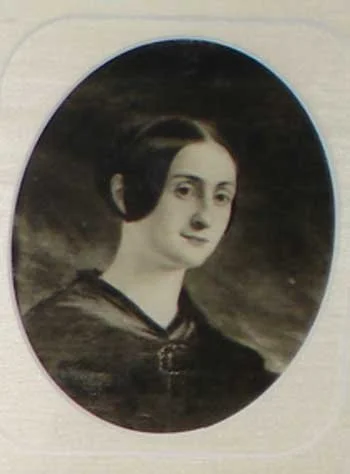
Penina Moise (1797-1880) was a Charleston poet, hymnist, and writer whose work made her one of the most well-known Jewish literary figures in nineteenth-century America. She was the daughter of Abraham Moise and Sarah Moise. After her father’s death, Moise left school at the age of twelve to help support and care for her family. Over time, she developed a degenerative eye condition, likely cataracts, which gradually impaired her vision. Although she never married or had children, Moise built an influential public career through her writing. She became especially known for the hymns she composed for Beth Elohim, writing nearly 190 hymns for the congregation and helping shape Jewish worship and literary culture in Charleston and beyond.
-
Moise endured chronic pain from neuralgia and eventually became completely blind, yet she continued to be celebrated for her literary contributions. Moise died in 1880 and was buried in Charleston’s Coming Street Cemetery.
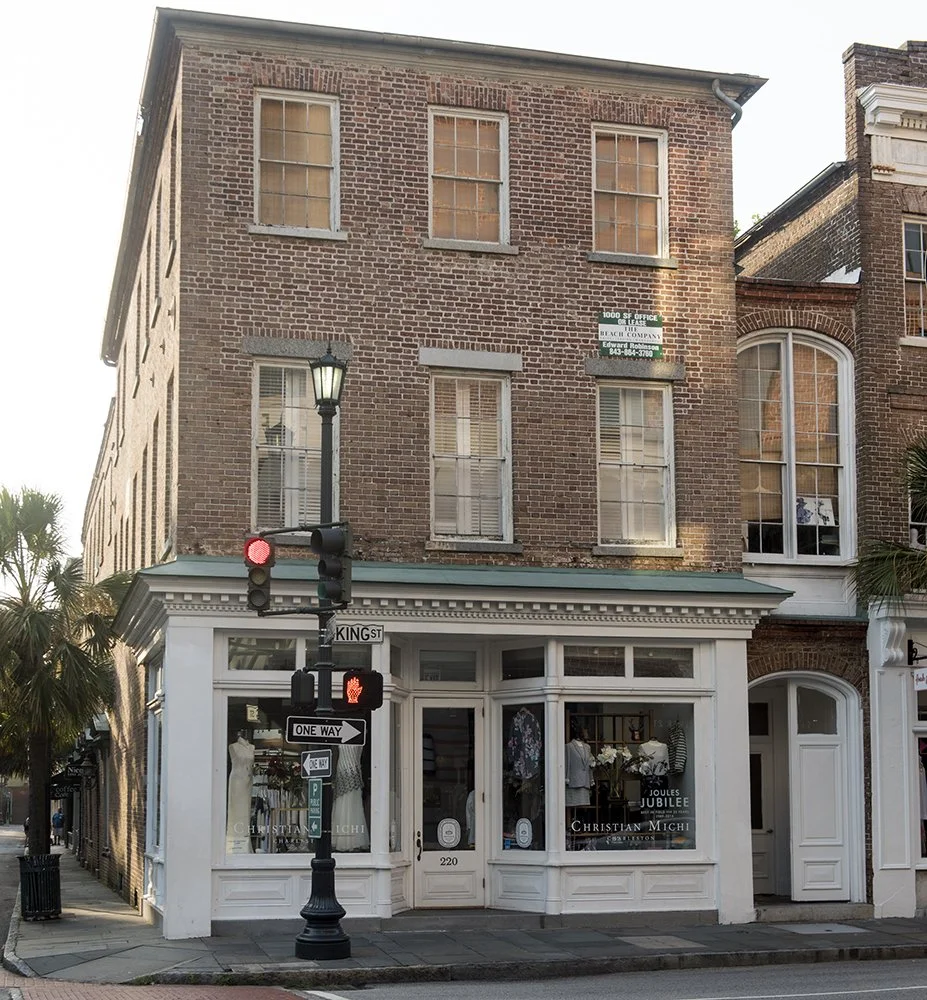
Nathan Hart (1784–1840) operated a hardware store on King Street for many years and was an active member of Beth Elohim. During the late 1830s, as debates over religious reform divided the congregation, Hart emerged as a leading voice for members who favored maintaining traditional Jewish practices. He played an important role in hiring Rev. Poznanski as hazan, believing that Poznanski would support a more traditional approach to worship. However, tensions grew when reform-minded members advocated for changes such as the installation of a pipe organ in the synagogue. Hart strongly opposed the proposal but was ultimately outvoted by the majority of the congregation.
-
Hart’s death in 1840 came at the height of the bitter conflict over religious reform within Beth Elohim, and his final wishes reflected the depth of those divisions. By requesting that Rev. Gustavus Poznanski not preside over his funeral, Hart made a final statement of opposition to the reform movement. Hart would die of “country fever.”
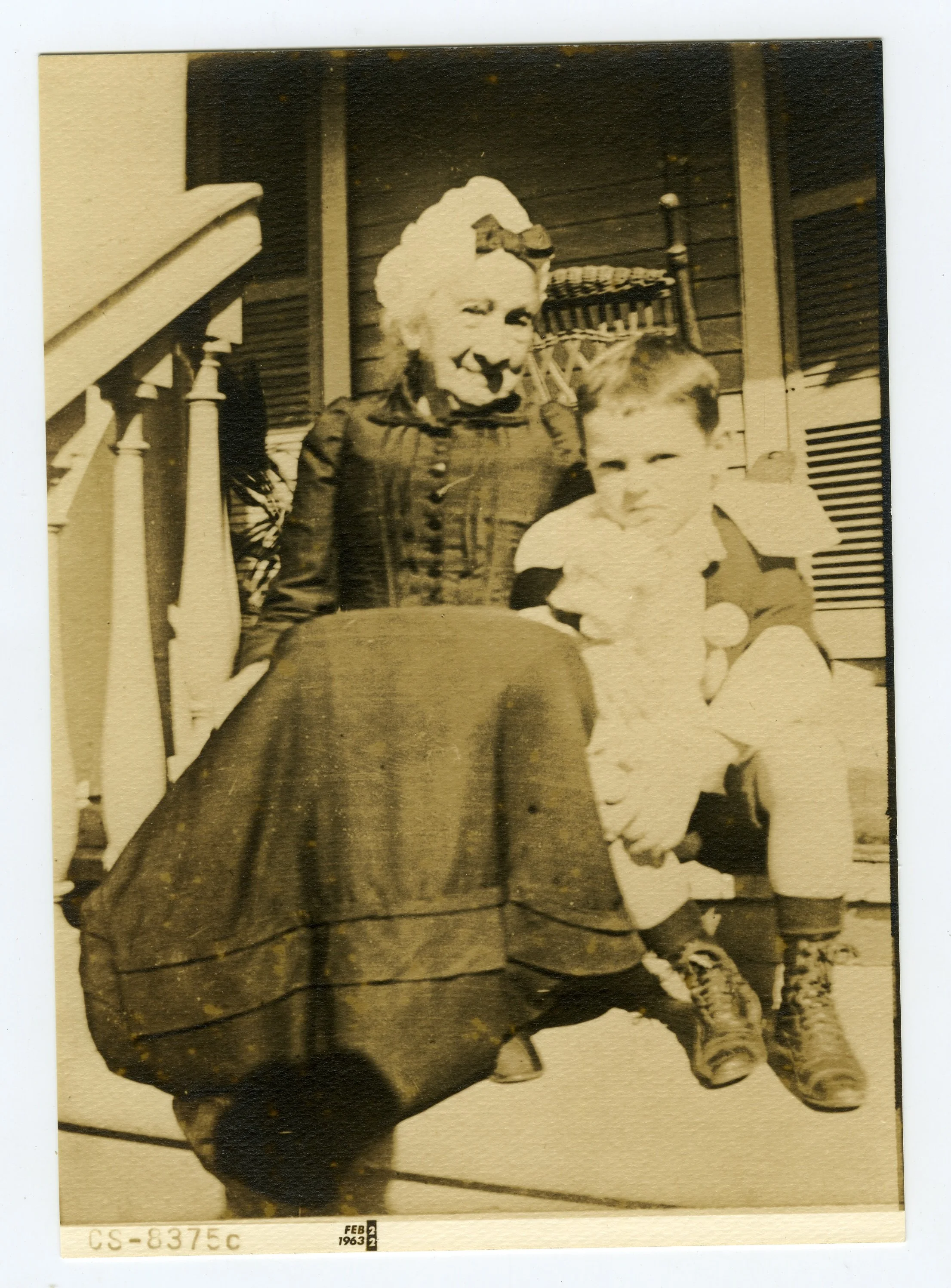
Sally Lopez (1806–1902) was one of the first women recorded in Beth Elohim's history as taking an active leadership role in service to the congregation. The daughter of David Lopez, she belonged to the congregation’s traditionalist faction during a period of growing debate over religious reform. In 1838, Lopez and fellow congregant Penina Moise founded a Jewish Sunday school in Charleston. Known as “The School of Israel,” it was administered by the “Hebrew Society for the Instruction of Jewish Youth in Charleston” and was modeled after a Sabbath school established in Philadelphia by Rebecca Gratz. The school was the first Jewish Sunday school in the American South and the second in the United States. Lopez retired from the school’s operation in the early 1840s after her family left Beth Elohim during the congregation’s organ controversy. She later joined the faculty of a similar school organized by women of Congregation Shearith Israel, the congregation formed by members who separated from Beth Elohim. Lopez also founded the Ladies Hebrew Benevolent Society of Charleston, sometimes known as “Israel’s Hope,” which provided charitable assistance and community support for many decades. The organization continued its work until 1950, when its responsibilities were transferred to the Men’s Hebrew Benevolent Society.
-
Sally Lopez would never marry and died in 1902 at the age of 96.
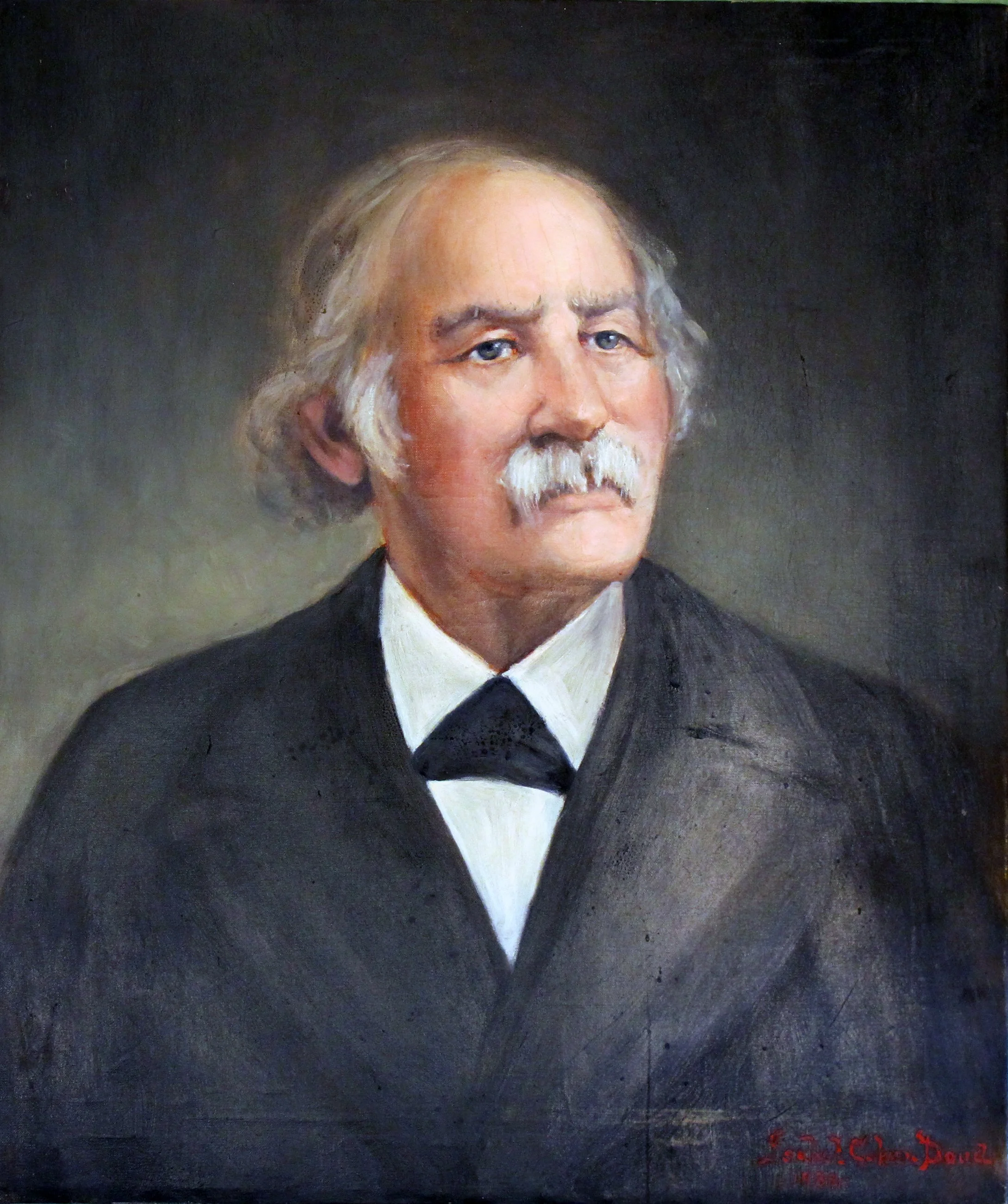
David Lopez II (1809–1884) was a Charleston builder, businessman, and member of Beth Elohim. After the death of his father, Lopez inherited enslaved people through his father’s will while still an infant, reflecting how slavery shaped wealth, family life, and inheritance practices in the antebellum South. Raised primarily by his mother, older siblings, and extended family, Lopez grew up in a household aligned with the congregation’s traditionalist faction. In 1840, he oversaw the construction of Beth Elohim’s new Greek Revival synagogue building, a project completed largely through the labor of enslaved people he owned. As disagreements over religious reform deepened within the congregation, the Lopez family left Beth Elohim to join Congregation Shearith Israel.
-
After the Civil War, Shearith Israel reunited with Beth Elohim, and the Lopez family returned as well. Throughout his later years, Lopez remained active in congregational life and worked to reconcile divisions between Orthodox and Reform members of the Charleston Jewish community.
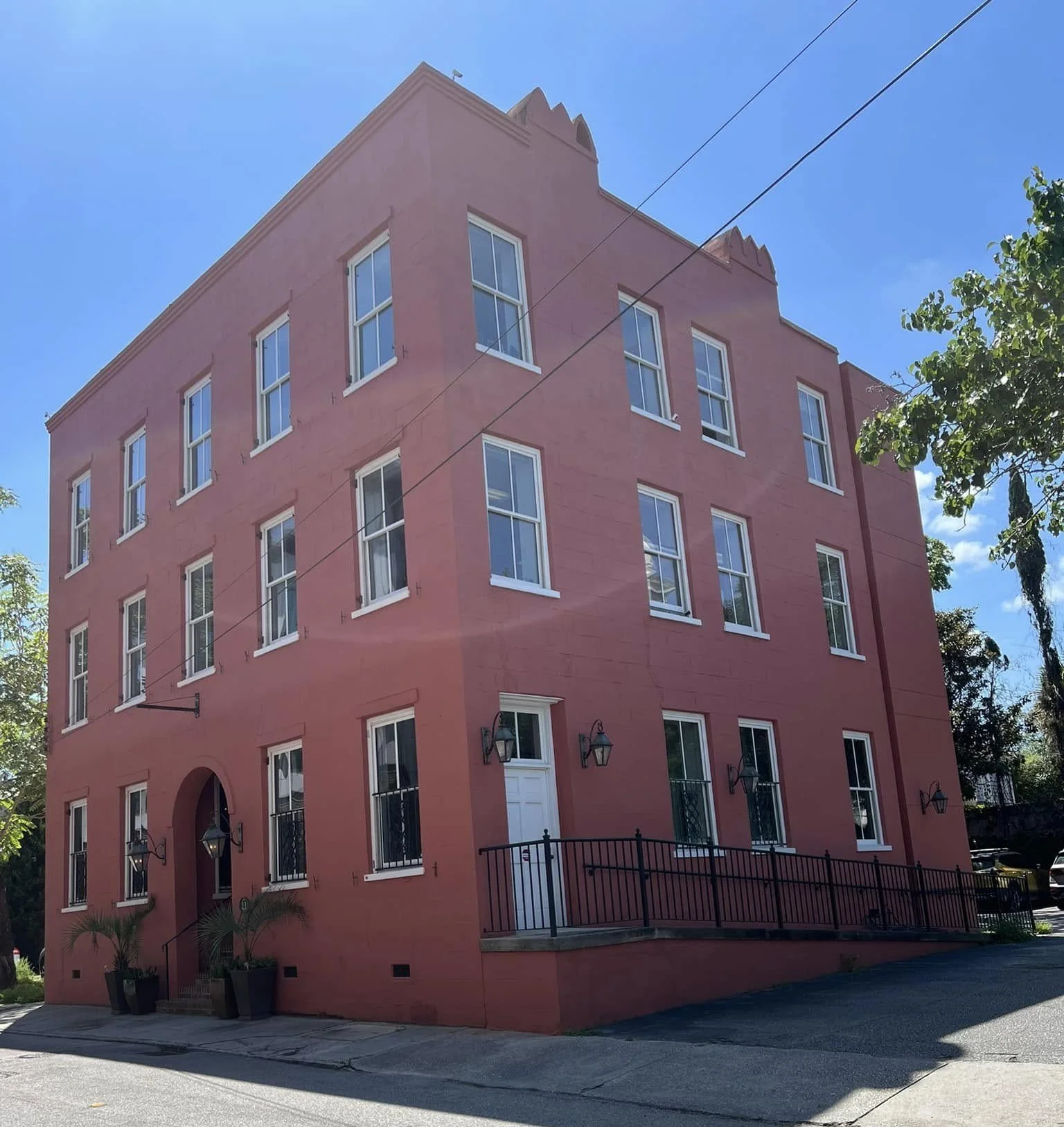
Madam Grace Peixotto (1817-1880) was a prominent Charleston businesswoman originally from St. Thomas in the U.S. Virgin Islands. After immigrating to the United States, the Peixotto family became active members of Charleston’s Jewish community. Her father, Rev. Solomon Cohen Peixotto, served as the hazan of Beth Elohim from 1823 to 1835. By 1860, Charleston tax records show that Peixotto owned significant real estate holdings valued at approximately $15,000 and enslaved seven people. The 1861 Charleston census lists her as the owner of two properties on Berresford Street: one residence occupied by Peixotto herself and another occupied by the people she enslaved. In 1852, Peixotto opened the “Big Brick,” a well-known high-end brothel at 11 Fulton Street. As a madam and entrepreneur, she built a business that became widely recognized in Charleston.
-
Following her death in the 1880s, the “Big Brick” continued operating for decades and became part of Charleston’s local legend and folklore. Over time, her life and reputation also influenced popular culture. Historians and literary scholars have identified her as one of the inspirations for the character Belle Watling in Margaret Mitchell's 1936 novel Gone With the Wind and its 1939 film adaptation.
Additional Resources
Looking to dive deeper? Below are some resources to learn more about the events of Happyland and its surrounding context.
“1838 (April 27-28) Fire” by the Preservation Society of Charleston (n.d.).
“A Woman Lies Bleeding on the Ground: Prostitution and Underground Economy in Nineteenth-Century Charleston” by Sarah P. Amundson (MA thesis, 2017, Iowa State University).
America at the Ballot Box: Elections and Political History edited by Gareth Davies and Julian Zelizer (2015, University of Pennsylvania Press).
Apostles of Disunion: Southern Secession Commissioners and the Causes of the Civil War by Charles Dew (2002, University of Virginia Press).
Baptized in Blood: The Religion of the Lost Cause, 1865-1920 by Charles Wilson (2009, University of Georgia Press).
Both Prayed to the Same God: Religion and Faith in the American Civil War by Robert Miller (2007, Lexington Books).
Charleston is Burning! Two Centuries of Fire and Flames by Daniel J. Crooks Jr. (Arcadia Publishing, 2009).
“Denmark Vesey” by the National Park Service (2020).
Disunion! The Coming of the American Civil War, 1789-1859 by Elizabeth Varon (2008, University of North Carolina Press).
Explorations in Charleston’s Jewish History by Solomon Breibart (2005, The History Press).
“Gendered Mobility and the Geography of Respectability in Charleston and New Orleans, 1790-1861” by Marise Bachand (Journal of Southern History, 2015).
Heathen: Religion and Race in American History by Kathryn Gin Lum (2024, Harvard University Press).
Honoring the Civil War Dead: Commemoration and the Problem of Reconciliation by John Neff (2005, University Press of Kansas)
In the Midst of Perpetual Fetes: The Making of American Nationalism, 1776-1820 by David Waldstreicher (1997, University of North Carolina Press).
“Inconsistent contextualism: The Hermeneutics of Michael Johnson” by David Robertson (2002, The William and Mary Quarterly 59).
Jewish Roots in Southern Soil: A New History edited by Marcie Ferris and Mark Greenberg (2006, Brandeis University Press).
Jews on the Frontier: Religion and Mobility in Nineteenth-Century America by Shari Rabin (2019, New York University Press).
Masculinity and the Making of American Judaism by Sarah Imhoff (2017, Indiana University Press).
Rebellion in the Temple of Justice: The Federal and State Courts in South Carolina During the War Between the States by Warren Moise (2003, iUniverse).
Reconstructing Dixie: Race, Gender, and Nostalgia in the Imagined South by Tara McPherson (2003, Duke University Press).
Response to Modernity: A History of the Reform Movement in Judaism (1995, Wayne State University Press).
“Social Evil in the Holy City: Prostitution in Charleston, SC, 1900-1920” by Krystle Kline (MA thesis, 2011, College of Charleston).
South Carolina’s Civil War: A Narrative History by W. Scott Poole (2005, Mercer University Press).
“The Great Fire of 1838” published in Bluffton Today (2018).
This Happy Land: The Jews of Colonial and Antebellum Charleston by James Hagy (1993, University of Alabama Press)
Content Developers
Christian M. Wright is pursuing a Master’s Degree in Religion in Culture at the University of Alabama. His research focuses on American religious history and popular culture, particularly during the Progressive Era, with an emphasis on how U.S. society has defined, contested, and regulated “vice.” He is also interested in digital humanities, critical theory, and collaborative approaches to public history.
Julianne Losacco is pursuing a Master's Degree in Religion in Culture at the University of Alabama. Her current interests lie in gender studies, southern culture/identity, and postmodern art. Once she graduates, she has plans to apply her religious studies background to a law degree. She currently has one cat named Merlin (like the wizard).